Why Older Adults Decide To Learn Piano
Music education is not reserved for the young in today’s world. This is especially evident when elderly people take up piano keys, opening new horizons and opportunities for themselves. In this context, seniors piano learning thrives when the platform offers an accessible interface, patient pacing, Talented for elders, and supportive tech that respect comfort and clarity. Why do elderly people turn to this instrument?
- Memory and attention improvement. Playing piano requires concentration; therefore it provokes active work of the brain by helping to fight against age cognitive changes and slowing down their decline.
- Emotional balance. Music is a strong antidepressant, overcoming loneliness and stress, while regular lessons create rhythm and structure to the day.
- Motor skills and coordination development. Even simple exercises develop fine motor skills of the hands, which are important for maintaining physical activity.
- Creative self-expression. Many elderly find a method through which to convey their emotions and feel creative identities once more while playing.
Thus, much more than a hobby, learning to play becomes comprehensive development of the brain and soul; this helps in living every day in a rich and useful way. For a gentle start, many appreciate the option to download free app learn piano and try features at home in private mode with age-friendly UI.
Patience As A Key Resource In Music
There are some drawbacks connected with age: slower new material acquisition, fear of making mistakes, and lowered motivation in music education. But patience becomes the very resource opening the door to success.
- Understanding one’s pace means not having rapid skills improvement but gradual, calm progress forward. It reduces stress and improves skills acquisition.
- Attitude toward mistakes. There is no reason to be disappointed in mistakes; rather, they are included in the learning process. Every step, even the most insignificant one, is valuable.
- Regular but short lessons. Long classes can be tiring; therefore, practicing 15–20 minutes daily is more effective.
- Using feedback and adjusting pace. Especially for elderly musicians, it is important to have support and be able to adapt the program to one’s own abilities.
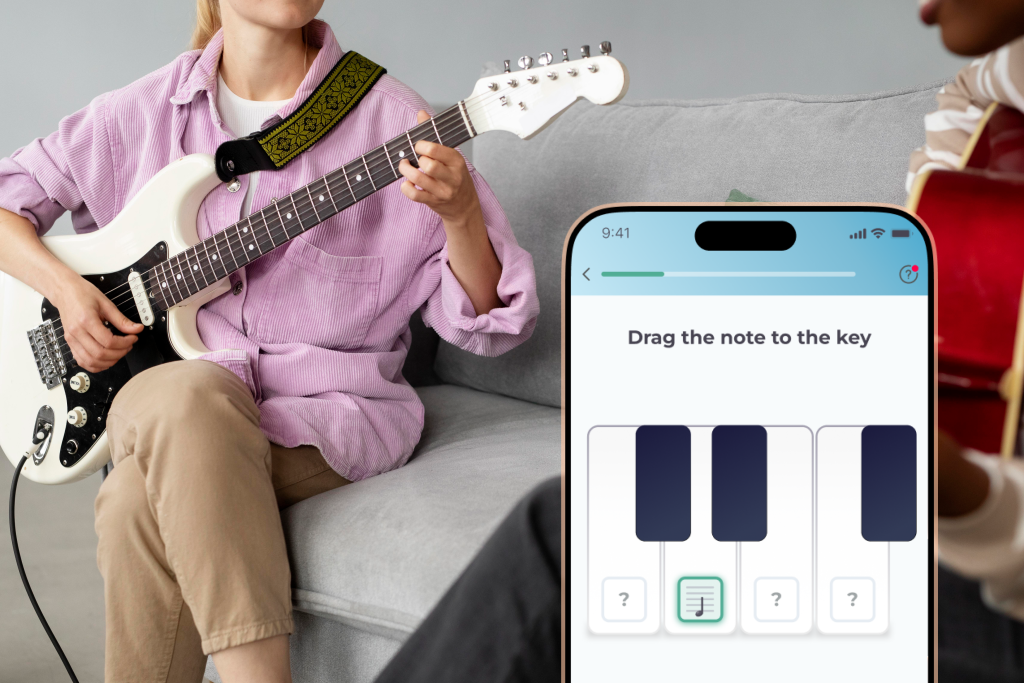
We tried to make the interface as friendly and “patient” toward mistakes as possible in our app—large fonts, clear prompts, simple navigation, and supportive feedback—so that it could help to master the material smoothly without unnecessary pressure. Indeed, patience and perseverance are main helpers on the path of music at any age, and thoughtful patient pacing keeps confidence high.
The Role of Modern Talented Technologies
Now, modern technologies have opened quite different horizons for mastering piano playing among elderly students. Here, in the Talented platform, one can use special tools which will make music learning not only available but also interesting for such an audience, taking into consideration the peculiar features of this age group.
- Interactive lessons with feedback: Smart algorithms operating in real time analyze playing, point at mistakes, and show how to correct them. Outdated methods are avoided, techniques are corrected straight away.
- The adaptive classes target the pace and level of the students and are tailor-made in such a way as to account for the physical capabilities that do not bring fatigue to the student but instead motivation.
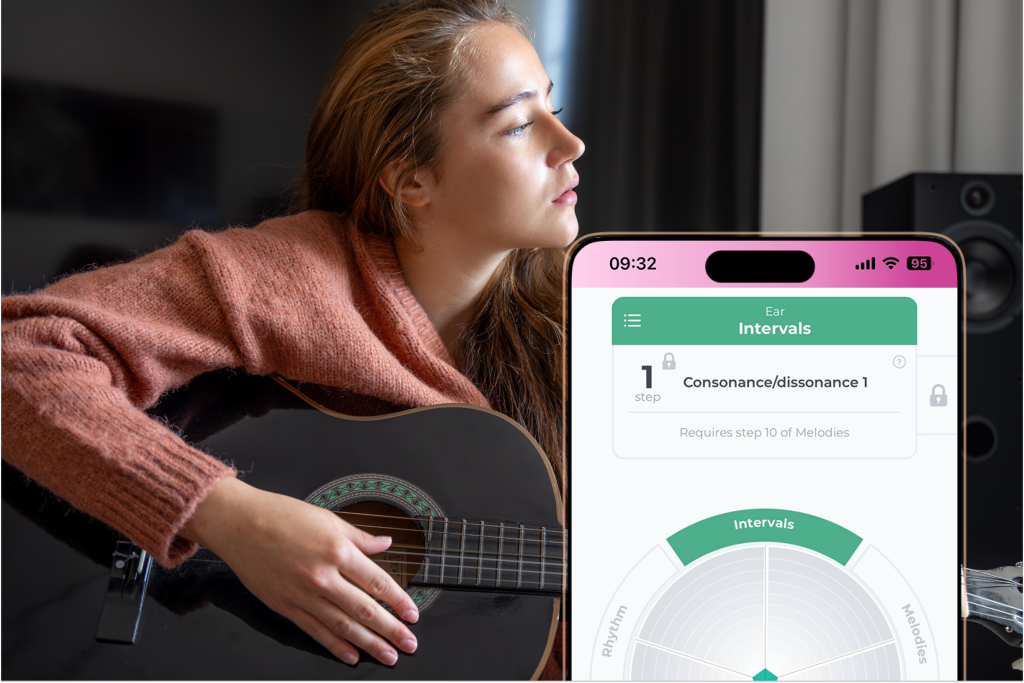
- Such visual and audio materials as video lessons, note animations, rhythmic exercises, and cognitive aids provide a better perception and consolidation of information.
- Gamification: Achievements, points, and levels enable orderly practice when time and energy are at a premium.
- Remote access allows one to learn anywhere and communicate with teachers without leaving the house.
That’s where Talented for Elders shines: age-friendly UI, accessibility of settings, practice reminders, and a senior community to drive therapeutic sessions. In all, supportive technology bridges the gap from traditional pedagogies to modern realities.
Individual Approach For Elder Students
Changes with age include physical abilities, the perception of time, motivation, and speed related to absorbing new information. An individual pathway respects such differences:
- Lesson time may be flexible, possibly 20–40 minutes, with further breaks to avoid tiredness and keep concentration.
- Step-by-step mastery: Break down every new technique or piece into simple parts so that a student can focus on the details without feeling overwhelmed.
- Care regarding physical condition: gentle treatment of joints and hands; exercises to avoid strain in conjunction with building up muscle memory.
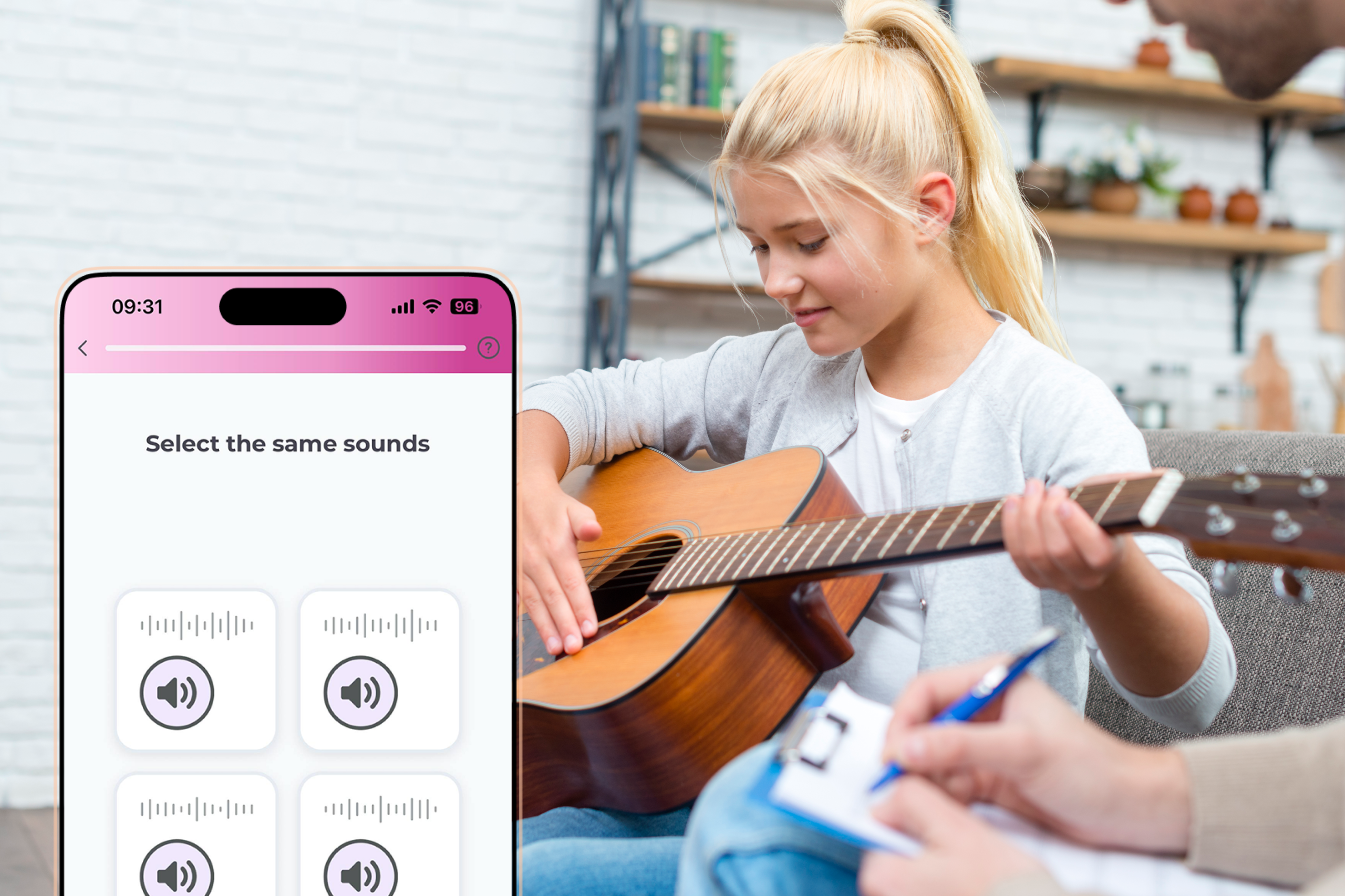
This method variation involves the use, in addition to plain notes and rhythms, of aural training, rhythmic games, and visual clues to cover different channels of perception.
Emotional comfort: urging every success, an atmosphere of no pressure relieves anxiety and wins trust.
This approach respects the older learner and makes progress a relaxed, uplifting journey in terms of choices regarding interface and patient pacing that keep stress low.
Community And Support
Community and support will be the major determinant for the success of elderly piano learners. Such people would go further in spite of difficulties and doubts along the path of adult learning, with a sense of belonging and shared support.
- Group lessons mean energy and exchange. Learning in a group lessens feelings of isolation, and the progress that is made by one’s peers becomes an inspiration. It brings friendly competitiveness, hence making regular practice a reality.
- The point is that online communities do allow modern means to connect seniors from different cities/countries to help one another at times that would be more convenient and important due to daily changing intensities.
- Group projects and concerts: participation in virtual concerts or small performances at home will help to develop practical skills and emotional contact with music.
Talented for Elders aligns piano practice for seniors with real life, reinforcing habit with supportive prompts and very gentle practice reminders in senior community spaces.
Practical Tips For Beginners
Scheduling lessons that are convenient and realistic from the outset will give you consistent motivation.
- Short, regular sessions: Break the learning into 20–30-minute daily sessions. The regularity is more important than marathon practice.
- Concrete and measurable goals: five new notes or chords, one simple melody in slow tempo, or left-hand technique focus. Then record and later review. Later, you will notice the difference in playing quality after it plays.
- Plan rest. Breaks help consolidation. If fatigue or irritation appears, pause.
- Practice becomes engaging because all the app features-metronome, learning games, visualization tools, slow pacing modes, and clear prompts-support attention.
- Celebrate small achievements. Milestone badges and notes of progress strengthen belief. Easier to do with enabling technology: age-friendly UI, large fonts, accessible settings, and patient pacing to reduce frustration.
Closing Thoughts
Older adults take up the piano to help them develop their mind and memory, reduce stress levels, and revive their creativity. When tools honor comfort-accessible interface, patient pacing, and seniors’ piano communities-progress becomes sustainable. On this journey, supportive tech and Talented pace with care, guide with clarity, and enrich with connectedness-point to an inviting path for anyone ready to start.